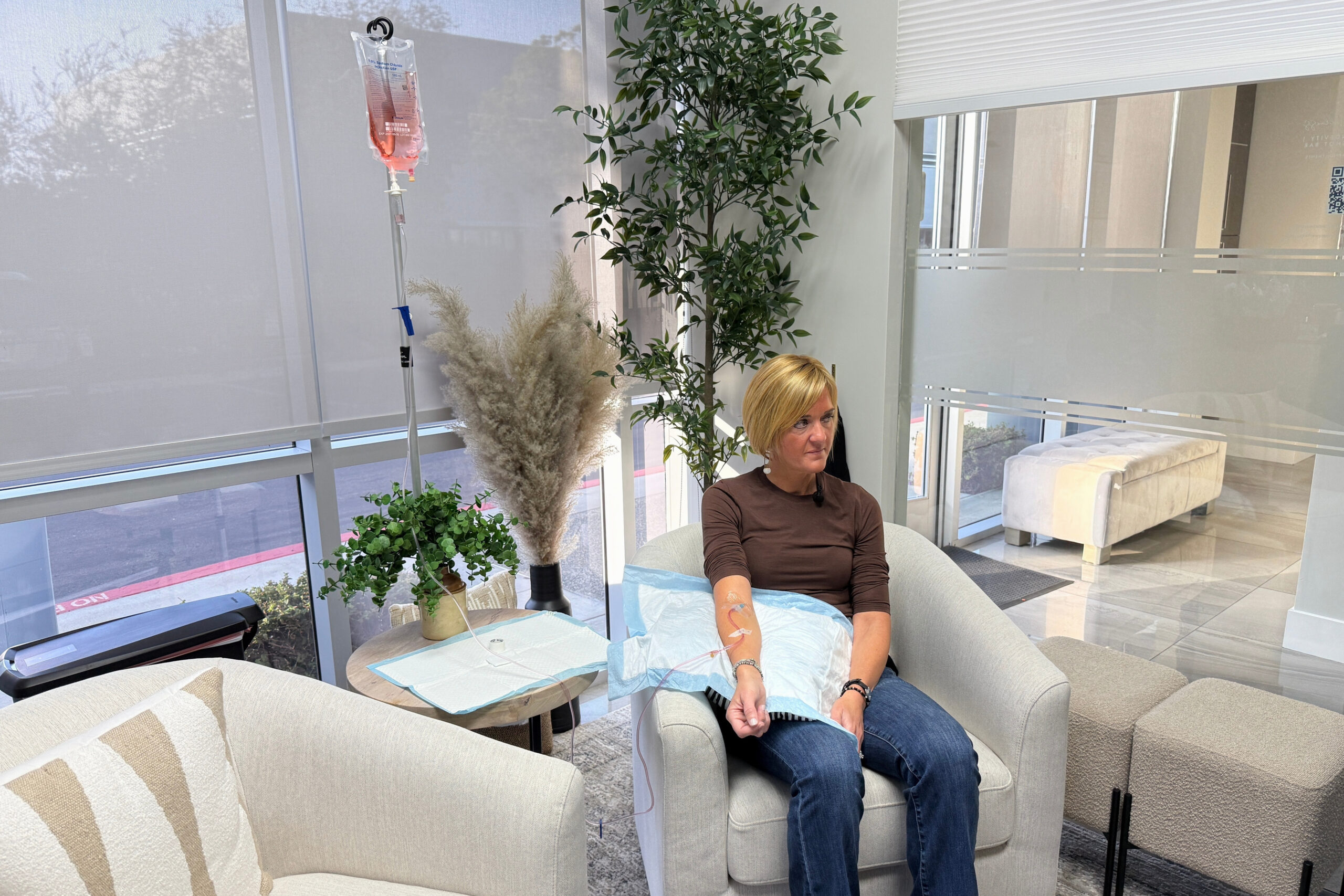
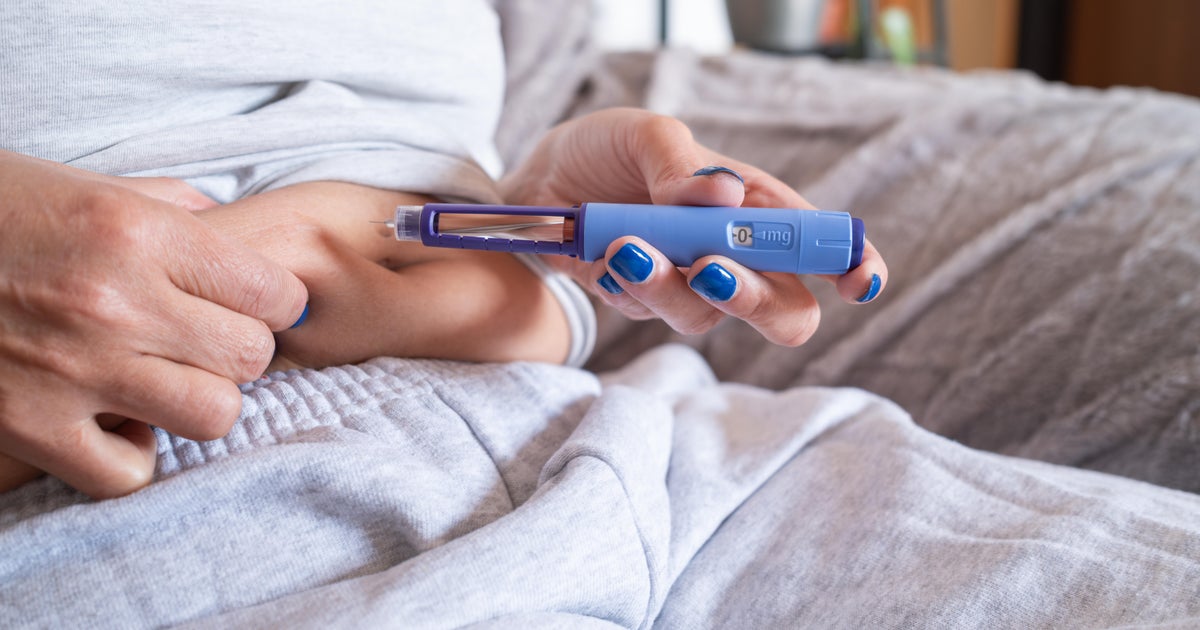
Similarly, amino acid injections can offer immediate benefits, particularly for those deficient in certain amino acids or engaging in intense physical activity

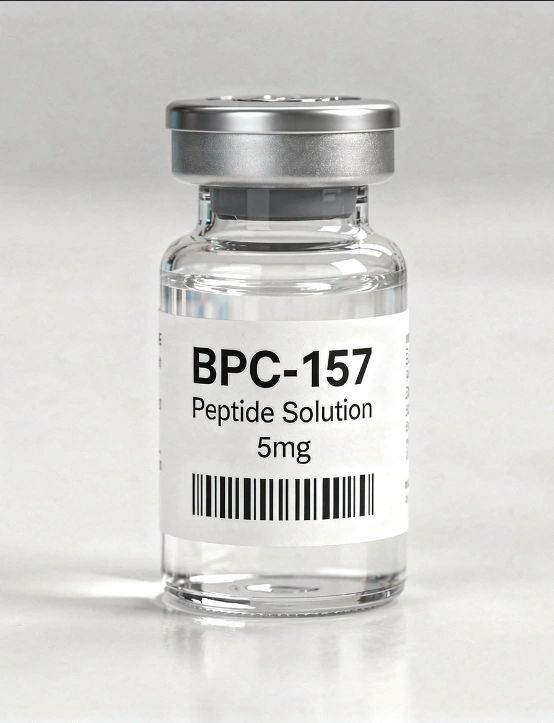
Long arginine 3-IGF-1, abbreviated as IGF-1 LR3 or LR3-IGF-1, is a synthetic protein and lengthened analogue of human insulin-like growth factor 1 (IGF-1).[1][2] It differs from native IGF-1 in that it possesses an arginine instead of a glutamic acid at the third position in its amino acid sequence (arginine 3), and also has an additional 13 amino acids at its N-terminus (MFPAMPLLSLFVN) (long), for a total of 83 amino acids (relative to the 70 of IGF-1).[2] The consequences of these modifications are that IGF-1 LR3 retains the pharmacological activity of IGF-1 as an agonist of the IGF-1 receptor, has very low affinity for the insulin-like growth factor-binding proteins (IGFBPs), and has improved metabolic stability.[1][2] As a result, it is approximately three times more potent than IGF-1,[3] and possesses a significantly longer half-life of about 2030 hours (relative to IGF-1s half-life of about 1215 hours).[4] IGF-1 LR3 Peptide is under active investigation in a number of cell culture and animal models

Response Timeline Variations Alcohol consumers often show delayed responses, requiring more sessions to achieve comparable results
Blood flows more easily
Any suspected adverse reactions to either preparation should be reported to the MHRA via the Yellow Card scheme (available at yellowcard.mhra.gov.uk)