Post-op vitamin B12 deficiencies occur in 37-70% of bariatric patients
These are lipotropic agents which help with the breakdown of fat during metabolism in the body
ICD-10 Codes for Anemia Due to Enzyme Disorders: D55 D55.0 Anemia due to glucose-6-phosphate dehydrogenase [G6PD] deficiency D55.1 Anemia due to other disorders of glutathione metabolism D55.2 Anemia due to disorders of glycolytic enzymes D55.3 Anemia due to disorders of nucleotide metabolism D55.8 Other anemias due to enzyme disorders D55.9 Anemia due to enzyme disorder, unspecified ICD-10 Codes for Anemia Due to Thalassemia: D56 D56.0 Alpha thalassemia D56.1 Beta thalassemia D56.2 Delta-beta thalassemia D56.3 Thalassemia minor D56.4 Hereditary persistence of fetal hemoglobin (HPFH) D56.5 Hemoglobin E-beta thalassemia D56.8 Other thalassemias D56.9 Thalassemia, unspecified ICD-10 Codes for Anemia Due to Sickle-Cell Disorders: D57 D57.0 Hb-SS disease with crisis D57.1 Sickle-cell disease without crisis D57.2 Sickle-cell/Hb-C disease D57.3 Sickle-cell trait D57.4 Sickle-cell thalassemia D57.8 Other sickle-cell disorders ICD-10 Codes for Other Hereditary Hemolytic Anemias: D58 D58.0 Hereditary spherocytosis D58.1 Hereditary elliptocytosis D58.2 Other hemoglobinopathies D58.8 Other specified hereditary hemolytic anemias D58.9 Hereditary hemolytic anemia, unspecified ICD-10 Codes for Acquired Hemolytic Anemia: D59 D59 Acquired hemolytic anemia D59.0 Drug-induced autoimmune hemolytic anemia D59.1 Other autoimmune hemolytic anemias D59.2 Drug-induced non autoimmune hemolytic anemia D59.3 Hemolytic-uremic syndrome D59.4 Other non autoimmune hemolytic anemias D59.5 Paroxysmal nocturnal hemoglobinuria [Marchiafava-Micheli] D59.6 Hemoglobinuria due to hemolysis from other external causes D59.8 Other acquired hemolytic anemias D59.9 Acquired hemolytic anemia, unspecified Aplastic Anemia Aplastic Anemia is another rare and serious blood condition
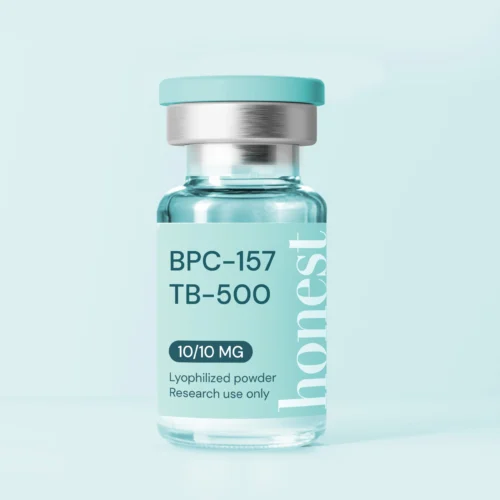
The safest approach is individualized care guided by a licensed medical provider familiar with both wellness therapies and overall patient health. For patients exploring recovery-focused wellness support, the safest approach is working with a licensed provider familiar with both peptide wellness therapies and GLP-1-based medical weight loss care
Symptoms include fatigue, brain fog, hair loss, brittle nails, and infections