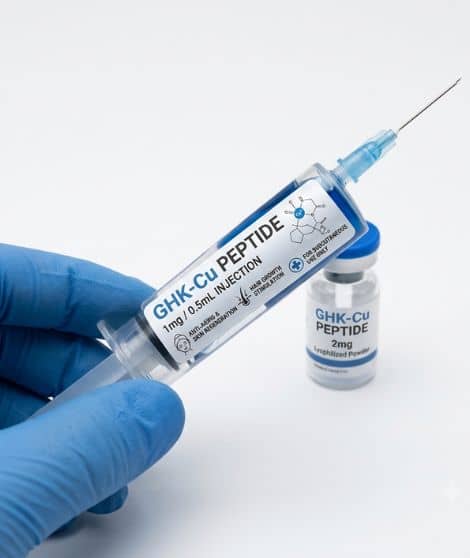
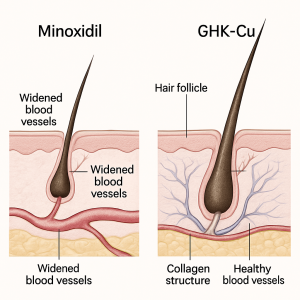
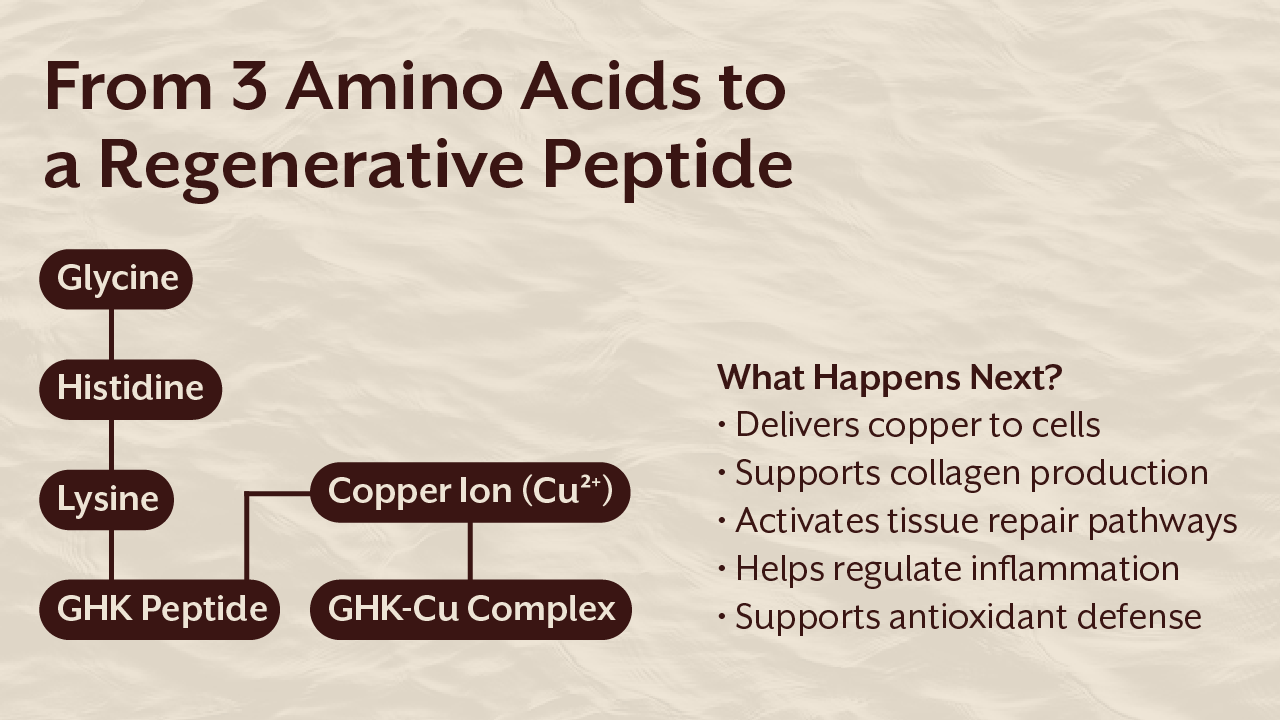
Copper Peptides for Hair Growth Copper peptides such as GHK-Cu may improve scalp health, boost follicle signaling, and support hair growth
doi: 10.3390/ijms22168677
Chemical Information Chemical name : angiotensin IV Sequence : Val-Tyr-Ile-His-Pro-Phe (or VYIHPF) : free acid
Animal studies on BPC-157 have demonstrated a favorable safety profile, with no established LD50 (lethal dose) and no documented organ toxicity, carcinogenicity, or mutagenicity at tested doses

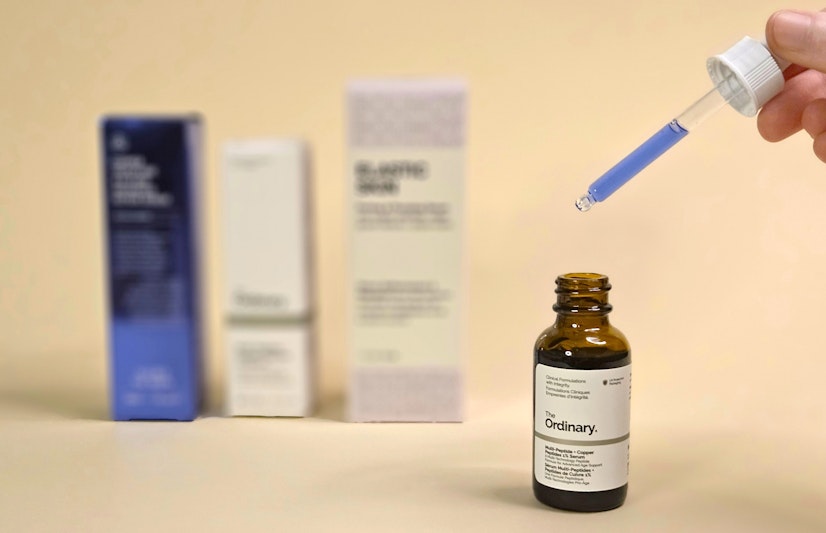
Experts explain that extremolytes work to protect extremophiles (organisms that are naturally found in extreme conditions) from their surroundings by forming and stabilizing protective water layers around their macromolecules and cell structures.7 But researchers note that ectoine, specifically, possesses certain properties that help it to shield proteins, cell membranes, and human tissues from allergens, UV light, heat, and dryness.7 And since peptides are the building blocks of proteins, it stands to reason that ectoine may help protect them, too.21 Looking at GHK-Cu, study authors explain that it may be prone to decomposition by skin proteases due to its limited enzyme resistance properties, making copper easily exposed to the external environment.9 So, to summarize, it appears that adding ectoine to a formula containing GHK-Cu may promote better peptide stability and protect it from harsh skin environments that could break it down, which could suggest that the copper peptides in this Allies of Skin product have more of an opportunity to work