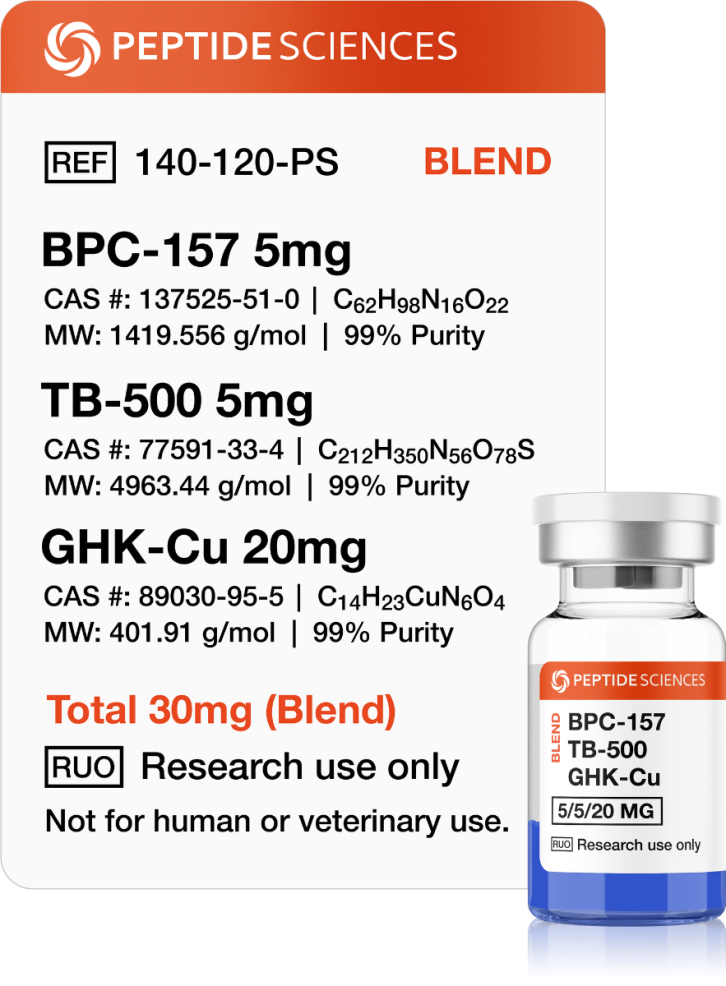
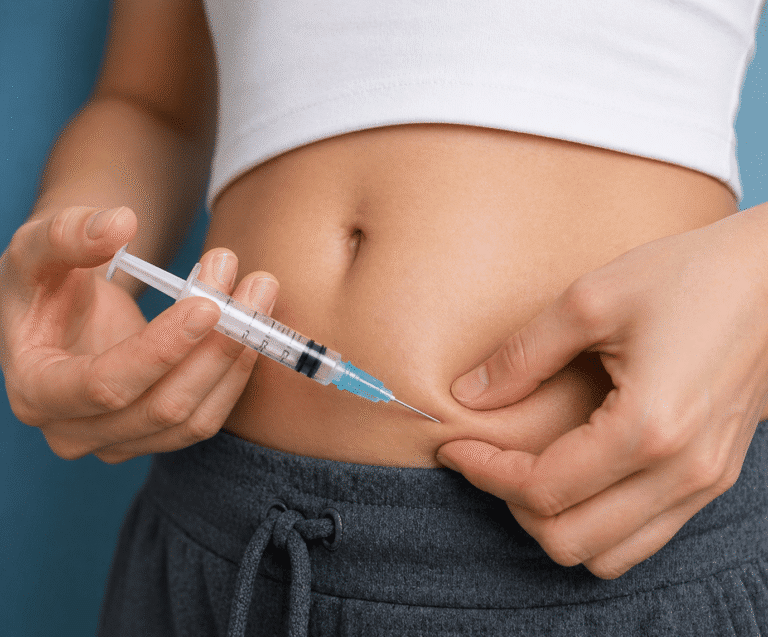
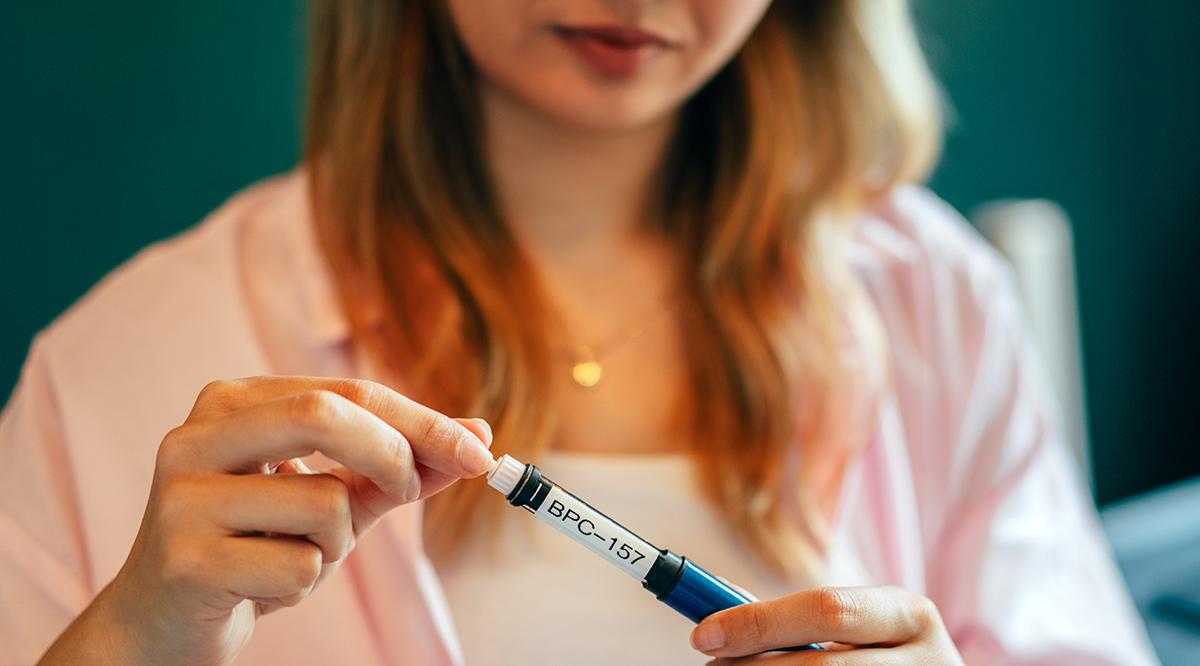
How to Inject BPC-157 Safely Under Medical Guidance Subcutaneous Injections: Simple and Effective Best for: Systemic healing or mild injuries Location: Abdomen or near the injured area Needle: 2931 gauge, inch Technique Clean vial top and skin with an alcohol pad Draw reconstituted peptide with a sterile syringe Pinch skin and inject at a 4590 angle Dispose of the needle properly Intramuscular Injections: Deeper Targeting Best for: Deep tissue, ligament, or tendon repair Needle: 2730 gauge, 1 inch Inject near injury site for maximum effect Rotate injection sites to prevent irritation Stacking BPC-157 With Other Peptides BPC-157 + TB-500 Goal: Accelerate healing and flexibility Protocol: BPC-157 250500 mcg daily (local injection) TB-500 25 mg weekly (divided doses) These two peptides complement each other: BPC-157 targets the injured tissue, while TB-500 promotes systemic healing
A 500 g dose draws to 25 units at the same concentration
[DOI] [PMC free article] [PubMed] [Google Scholar] 328.Chen WH, Luo GF, Vzquez-Gonzlez M, Cazelles R, Sohn YS, Nechushtai R, et al
FDA Advisory Panel Votes to Loosen Rules on BPC-157, TB-500, and MOTS-C Despite Agency Scientists' Opposition An FDA advisory committee voted narrowly on July 23, 2026, to recommend that compounding pharmacies gain access to several popular peptide compounds, including BPC-157, KPV, TB-500, and MOTS-C, overriding explicit objections from the FDA's own career scientists and sparking an audible gasp in the meeting room when the tally was announced
Metformin: this medication, used to treat type 2 diabetes, can reduce the absorption of vitamin b12, increasing the risk of deficiency