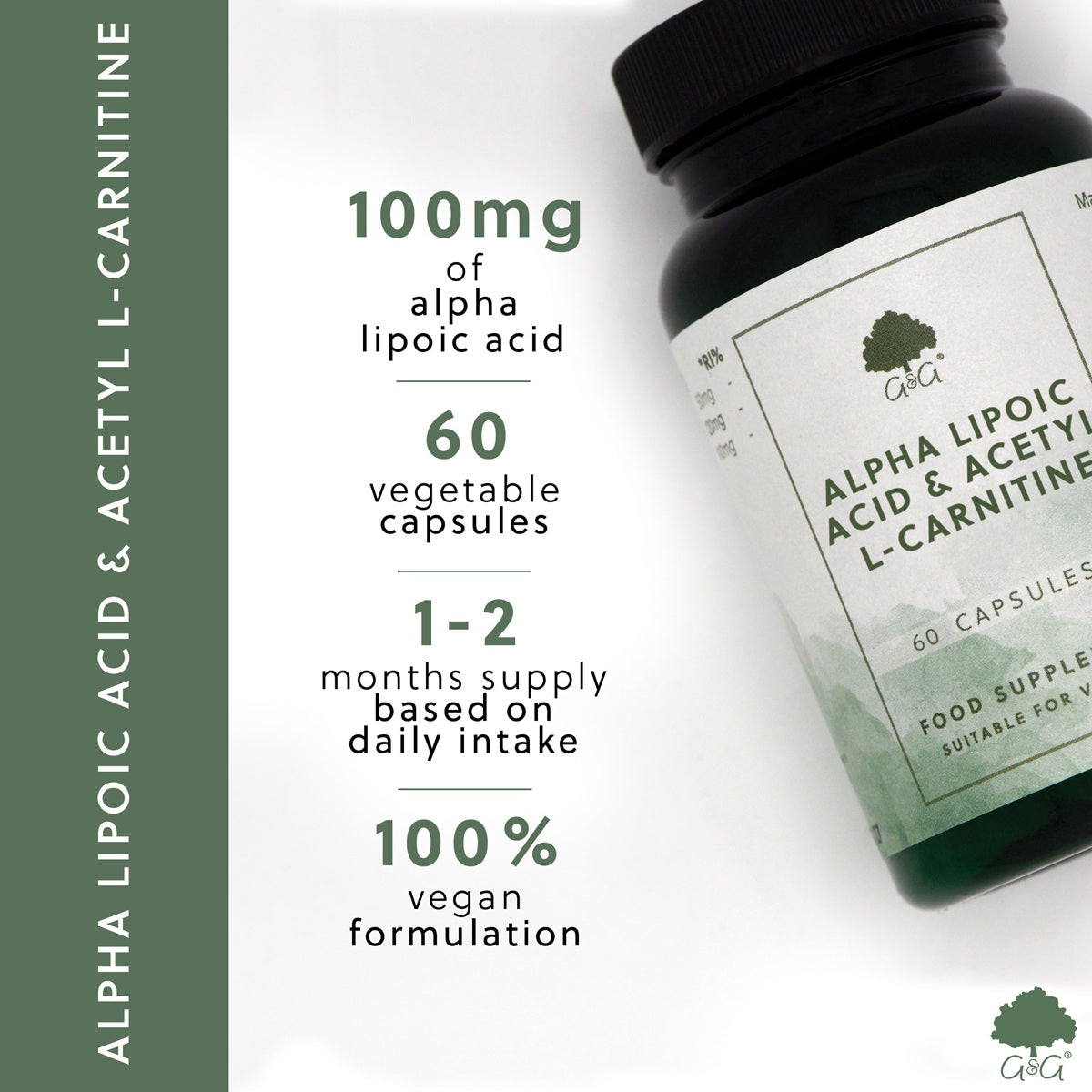
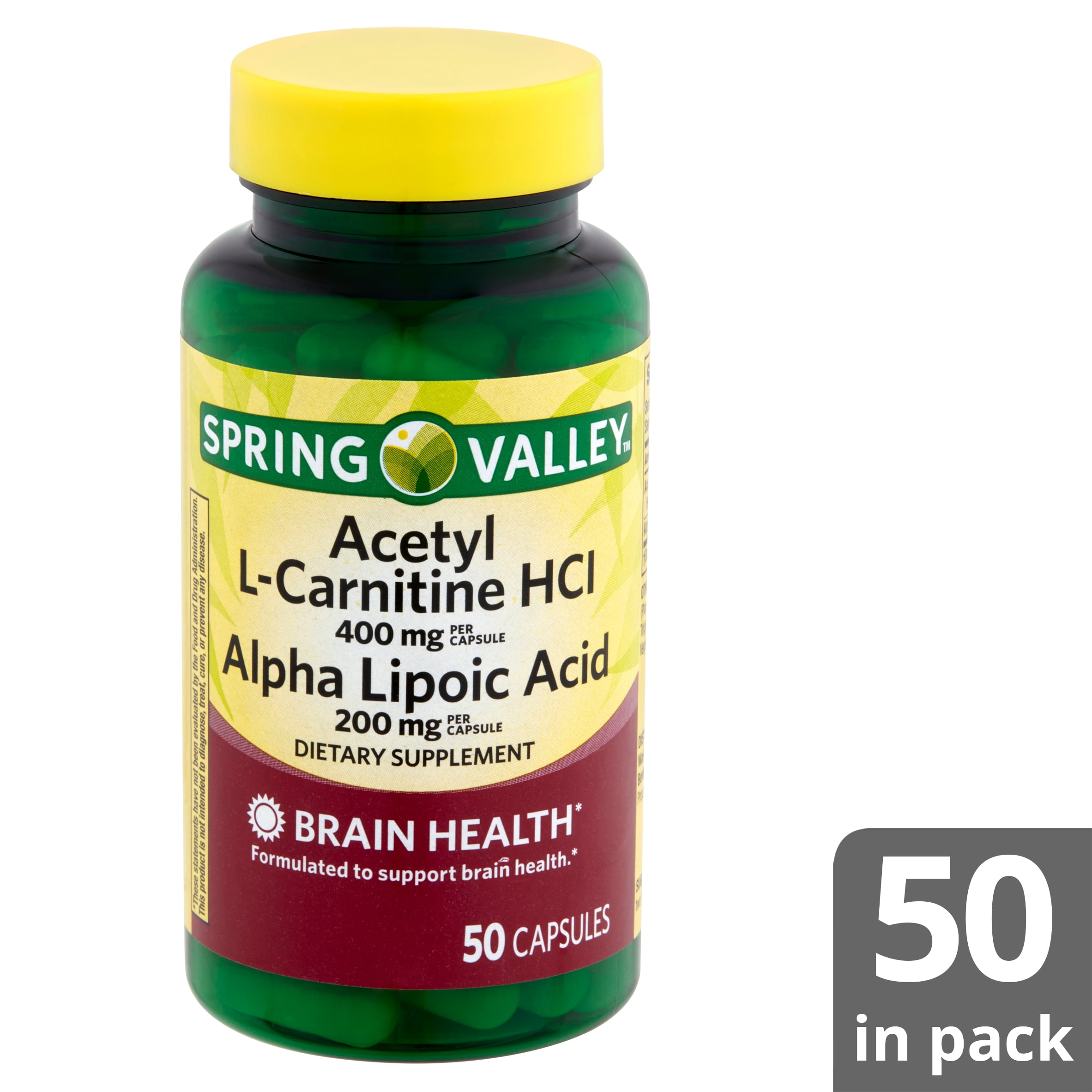
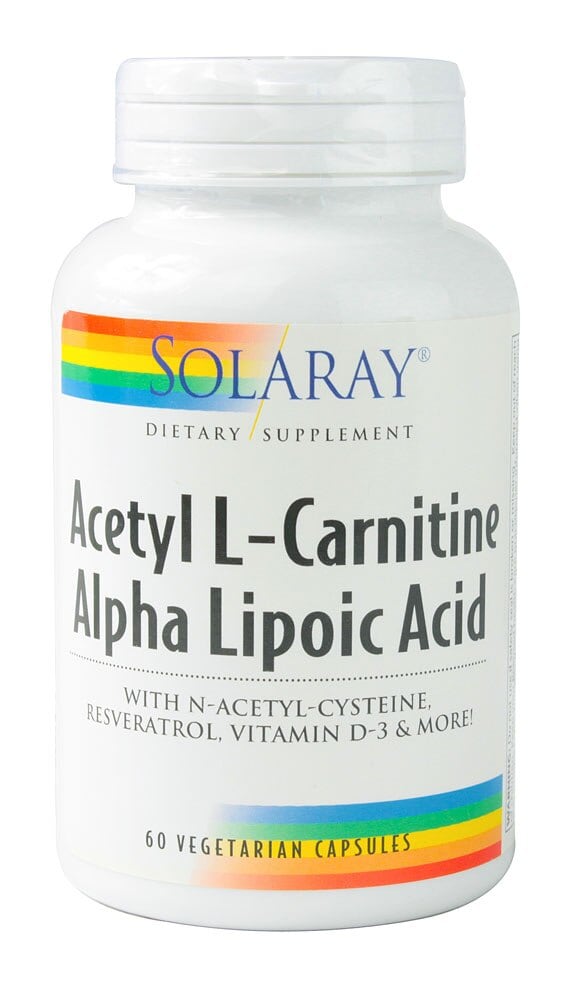
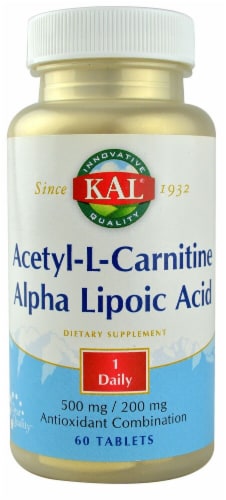
In preclinical studies, ALCAR reduced oxidative damage markers (lipid peroxidation, oxidized nucleotides, nitrotyrosine) in aged rat brains, while LCAR did not, despite both compounds similarly increasing ambulatory activity and tissue carnitine levels.[5] ALCAR also decreased infarction size in stroke models, whereas LCAR showed no protective effect in vivo, though both were neuroprotective in vitro.[6] These differences likely reflect ALCARs ability to donate acetyl groups for acetylcholine synthesis, energy production, and neurotransmitter metabolism.[2][7] For cardiovascular and metabolic applications, the compounds appear more comparable
Role of the indoleamine-2,3-dioxygenase/kynurenine pathway of tryptophan metabolism in behavioral alterations in a hepatic encephalopathy rat model
1:2500, Abcam, Cambridge, UK), Drp-1 (1:2000, Novus Biotechnology, Littleton, CO, USA), Opa-1 (1:2000, Novus Biotechnology, Littleton, CO, USA), LC3A/B (1:2000, Cell Signaling Technology, Danvers, MA, USA), Tom-20 (1:2000, Santa Cruz Biotechnology, Dallas, TX, USA) and MnSOD (1:2000, Millipore, Billerica, MA, USA), Pink-1 (1:1000, BioVision Incorporated, Milpitas, CA, USA), Fis-1 (1:500, Santa Cruz Biotechnology, Dallas, TX, USA) and Parkin (1:500, Cell Signaling Technology, Danvers, MA, USA) for overnight
Es el suplemento de referencia para atletas que buscan sacar el mximo partido a cada sesin de entrenamiento de alta intensidad
In: Adam MP, Bick S, Mirzaa GM, Pagon RA, Wallace SE, Amemiya A, editors