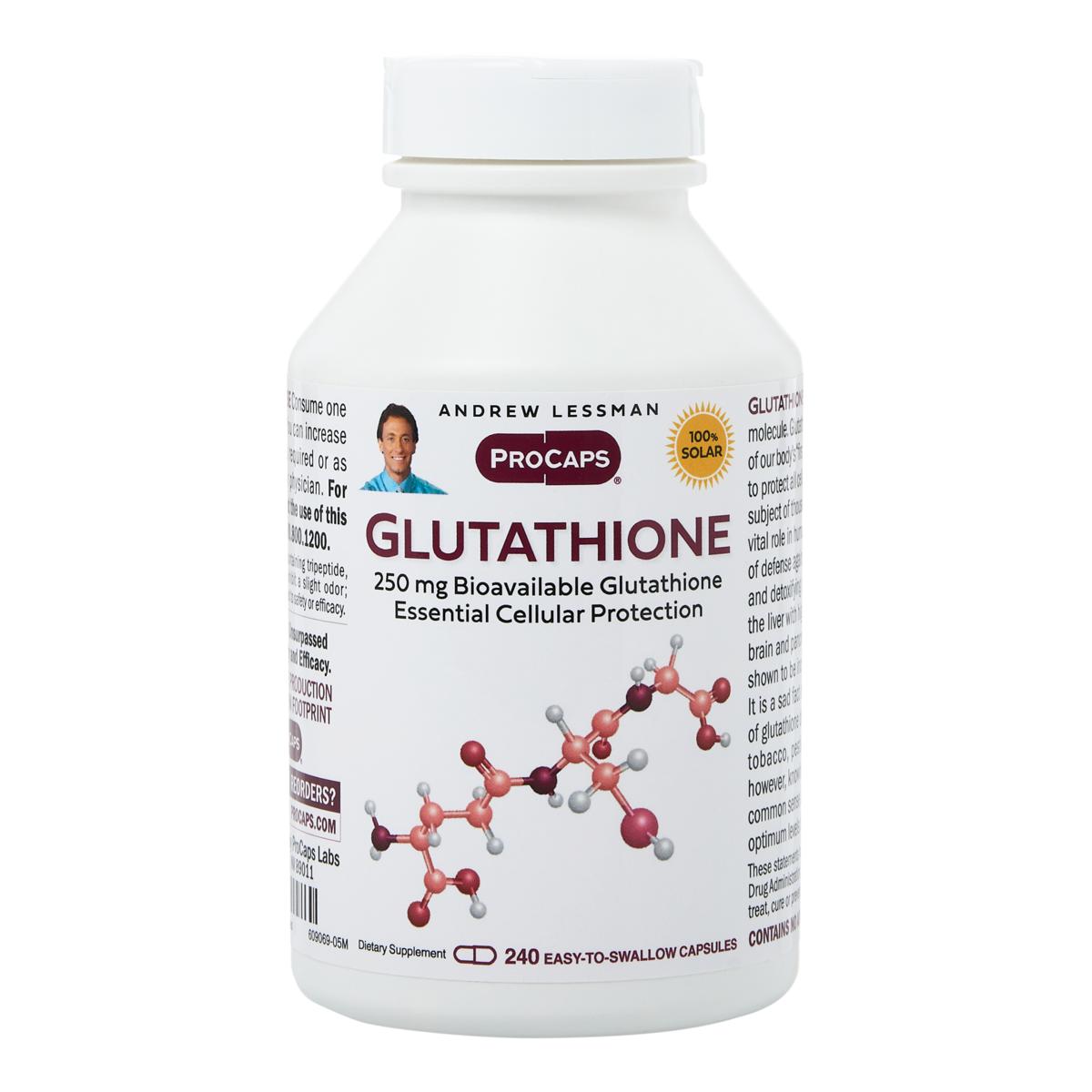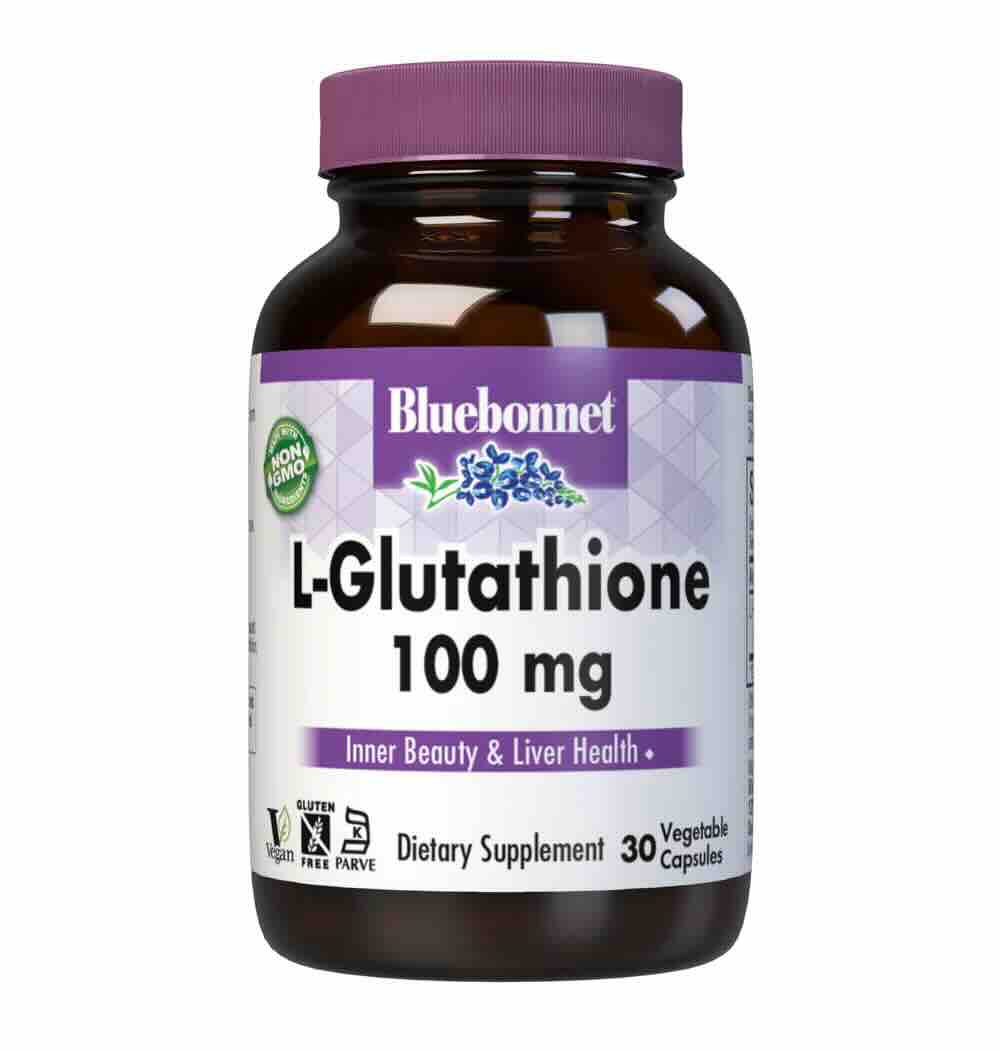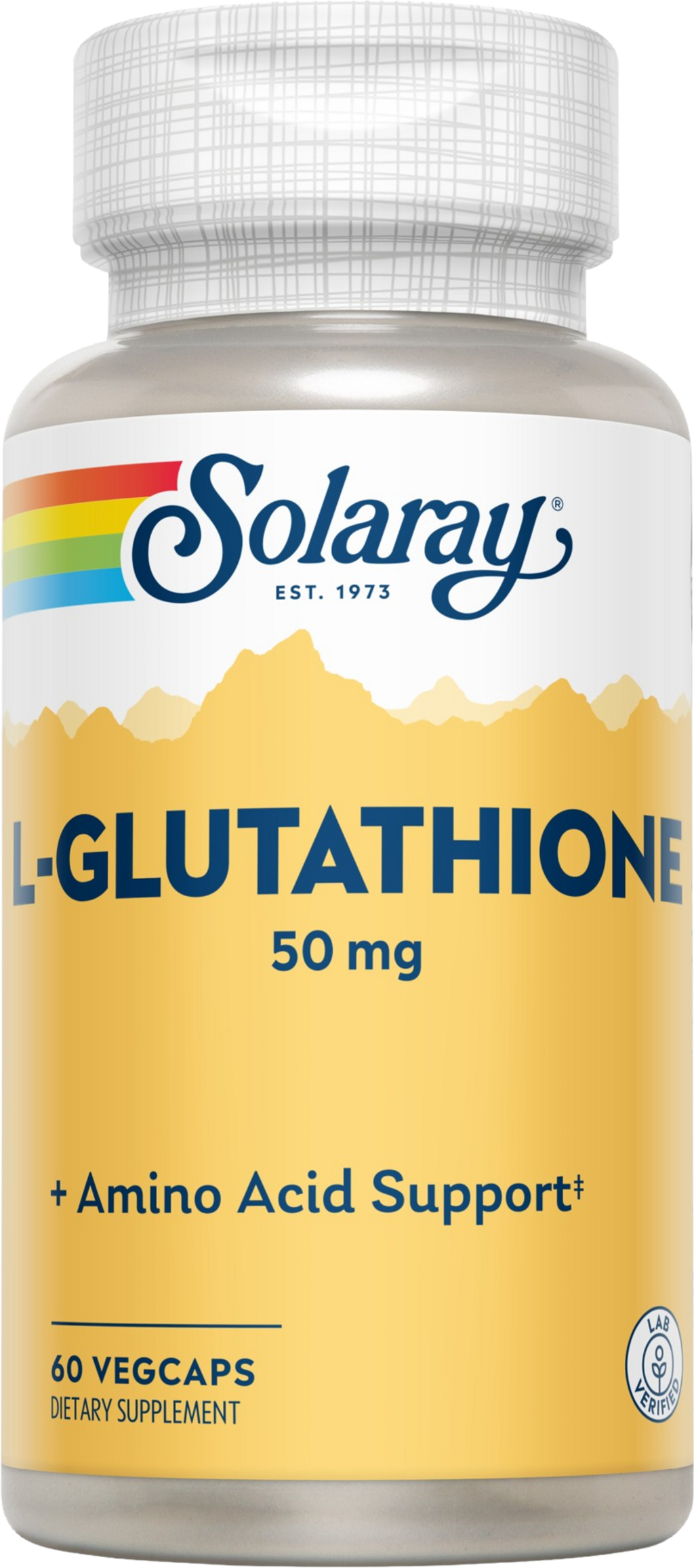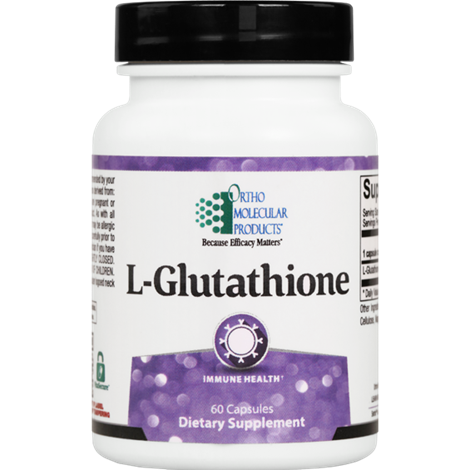
Reported Research Benefits Widely researched for its antioxidant properties, cellular detoxification, protection against oxidative stress, support of mitochondrial health, modulation of aging processes, and in studies aiming to enhance longevity and recovery from cellular damage
Our experts will provide personalized guidance, ensuring you receive the most effective treatment tailored to your unique needs
extract following intraperitoneal administration with a lethal dose of APAP was found to be protective against APAP-induced necrosis by downregulating the cytochrome P450 CYP2E1 protein levels in vitro ( Phyllanthus urinaria showed no toxicological phenomena in mice
The following adverse reactions may occur with undetermined frequency (frequency cannot be estimated on the basis of available data): - Allergic reaction - Acne - Pain at the injection site - Red coloration of urine (due to elimination of vitamin B12 in the urine)
In exogenous H 2 S study, 8-week-old C57BL/6J male mice were administered with either vehicle alone (normal saline) or vehicle containing GYY4137 (133 mol/kg/day) (Cat No.B7458, APExBIO Technology, Houston, USA) for 7 days by intraperitoneal injection