However, relying solely on a BAC chart is not enoughawareness of intoxication signs and other contributing factors is key to preventing over-service and reducing liability risks
Most insurance plans cover treatment for medically documented deficiencies, though frequency limits may apply
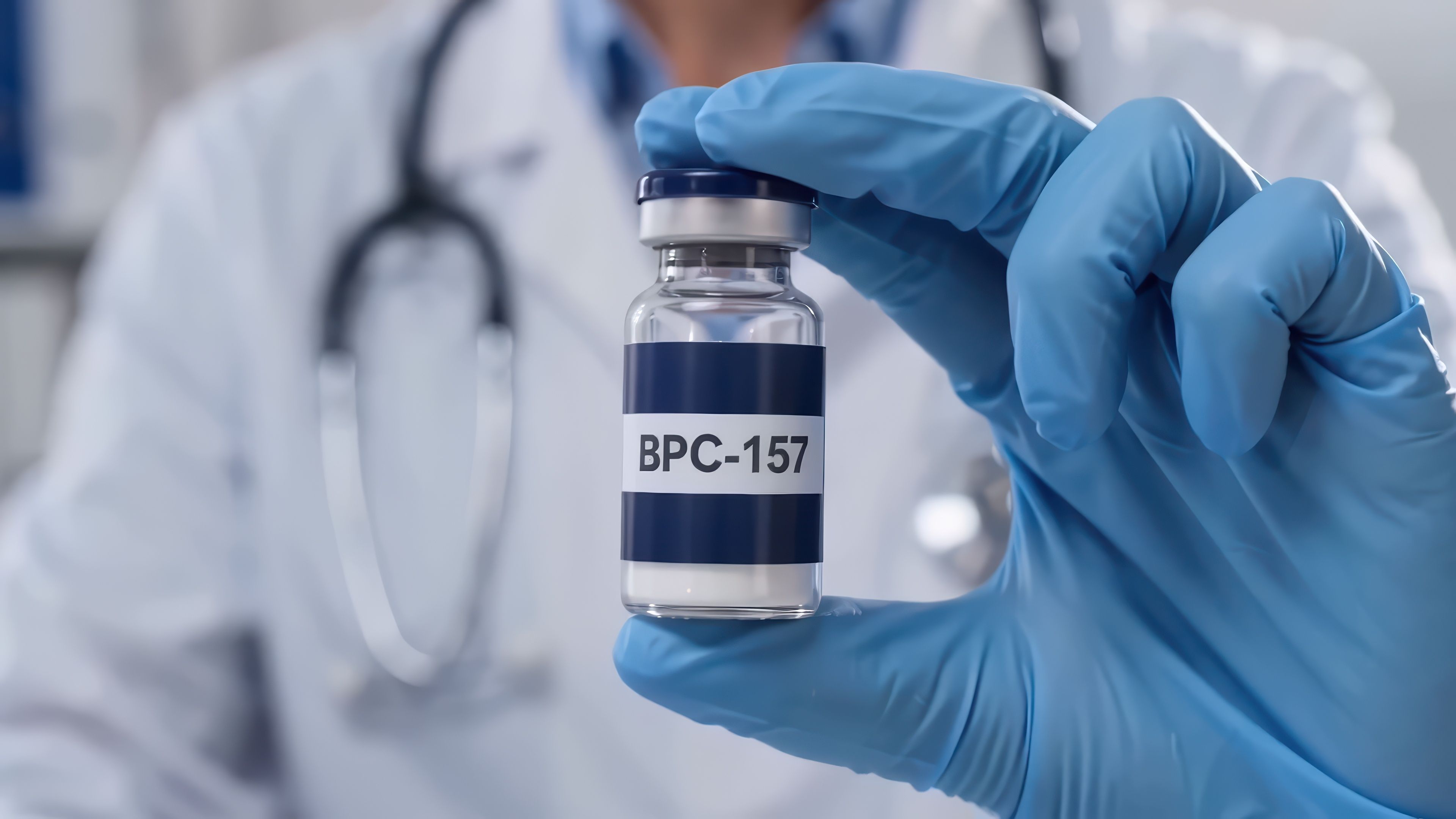
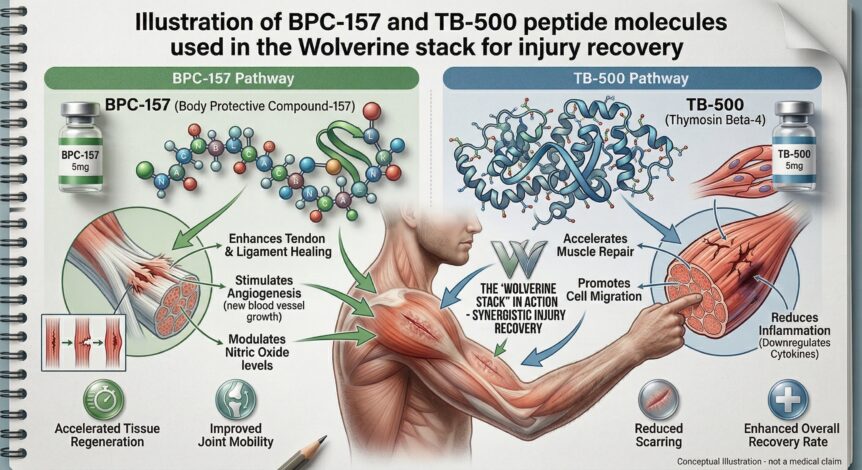
TB500 vs BPC-157 vs Copper Peptides: The Real Difference in Recovery (And How I Used All Three After My Bilateral Triceps Rupture) When it comes to soft-tissue healing, tendon repair, inflammation control, and recovery optimization, few topics are exploding in popularity as fast as peptide therapy

Routine blood tests form the cornerstone of post-operative monitoring and should typically include: Full blood count (FBC) to detect anaemia Ferritin, serum iron, and transferrin saturation to assess iron stores Vitamin B12 and folate levels 25-hydroxyvitamin D and parathyroid hormone (PTH) Calcium, phosphate, and magnesium Zinc and selenium (less frequently, but recommended in some protocols) Copper and ceruloplasmin should be checked if anaemia, low white cell count (leucopenia), or unexplained neurological symptoms are not explained by iron, B12, or folate deficiency Liver function tests and lipid profile HbA1c particularly relevant for patients with type 2 diabetes The frequency of testing is typically higher in the first year (every three to six months, per BOMSS schedules) and may reduce to annually once levels are stable
Dietary changes: Incorporate B12-rich foods such as eggs, salmon, fortified cereals, and dairy