Recent Major Changes Indications and Usage for Zepbound ZEPBOUND is a glucose-dependent insulinotropic polypeptide (GIP) receptor and glucagon-like peptide-1 (GLP-1) receptor agonist indicated in combination with a reduced-calorie diet and increased physical activity: to reduce excess body weight and maintain weight reduction long term in adults with obesity or adults with overweight in the presence of at least one weight-related comorbid condition
Notably, in the timelines causes and effects in the bile duct-ligated rats, the obtained frame (i.e., 030 min, 05 h, 4.30 h5 h, 5 h24 h, 024 h of the application sacrifice periods to verify consistency of the given therapy) might imply the timely advanced adverse effects of that shared syndrome, all and/or individual, into the essential presentation of the acute pancreatitis, and vice versa
Proponents say the hormone suppresses the appetite by tricking the body into thinking it is pregnant, which prompts the body to burn stored fat in places where dieters least want it, such as the upper arms, belly and thighs
Of particular interest, ATP-cob(I) alamin adenosyltransferase and MULTISPECIES: type 2 toxin-antitoxin system antitoxin, RelB/DinJ family genes were enriched in the inf_CNCbl40 group (Fig
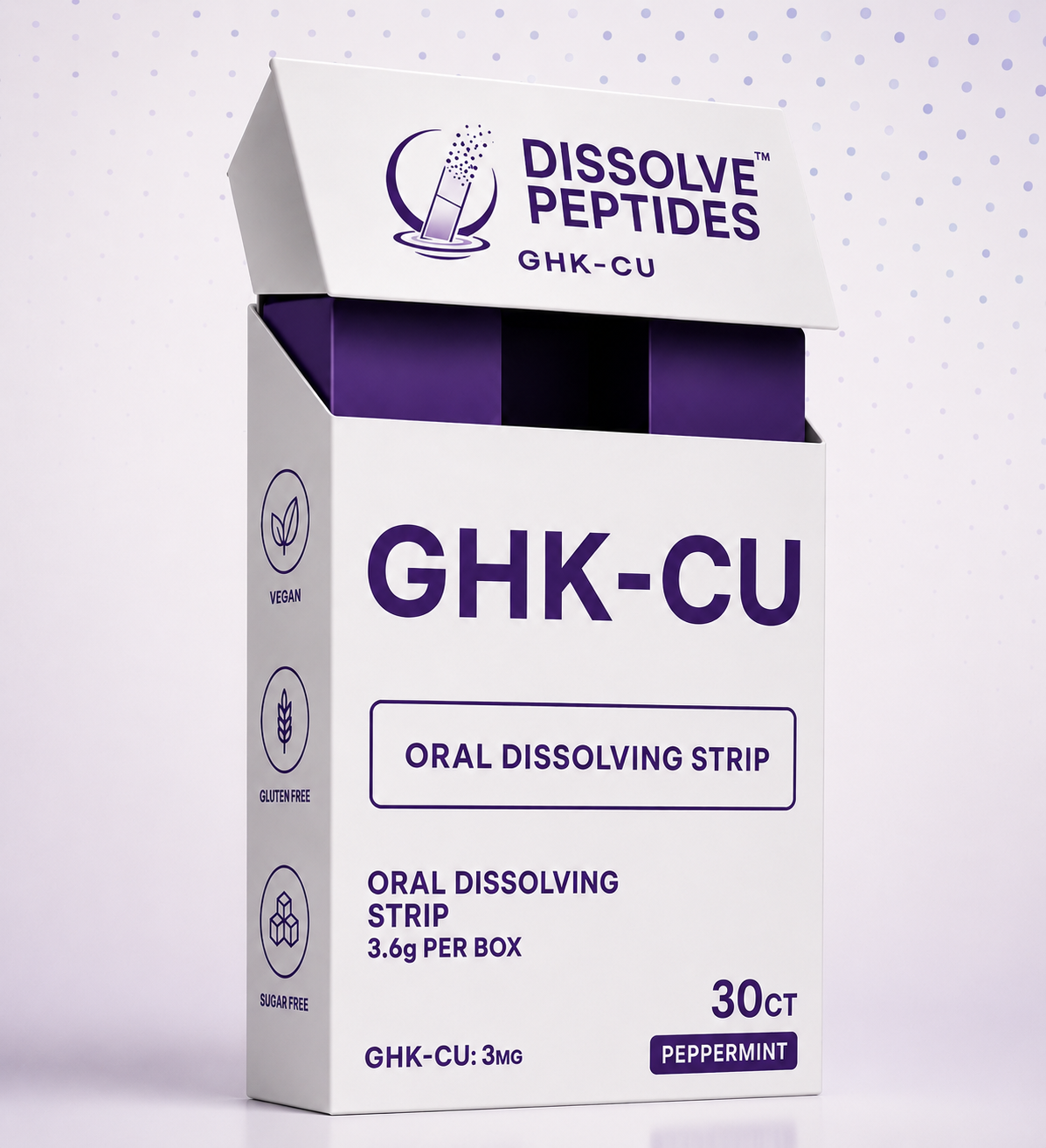
Future Research Directions and Emerging Applications Systemic Administration and Biodistribution Studies While most clinical applications of GHK-Cu involve topical administration, emerging research explores systemic delivery routes including subcutaneous injection, intravenous infusion, and oral administration for potential applications in systemic inflammation, tissue remodeling, and age-related decline